



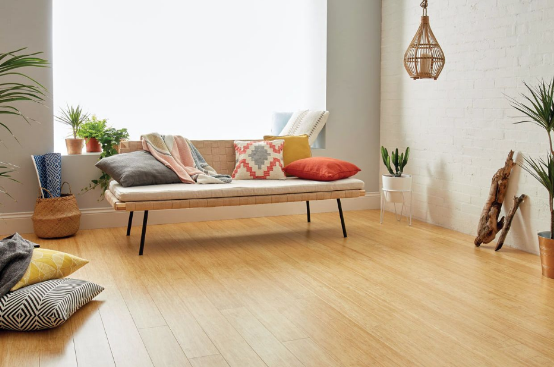
Walk into almost any flooring showroom on the Gold Coast, and the salesperson will steer you towards engineered hardwood. It photographs well, it sounds premium, and the margins on it are generous. What they tend not to mention is that the same coastal humidity that makes this region so liveable absolutely brutalises certain floor types […]
Walk into almost any flooring showroom on the Gold Coast, and the salesperson will steer you towards engineered hardwood. It photographs well, it sounds premium, and the margins on it are generous. What they tend not to mention is that the same coastal humidity that makes this region so liveable absolutely brutalises certain floor types within a few summers. Buckled boards, lifting edges, and grout lines that darken and stain — these are not installation failures. They are climate failures. Bamboo flooring in Gold Coast keeps gaining ground for one straightforward reason: it is one of the few materials that was not designed for a cooler, drier climate and then quietly hoped for the best here.
What Showrooms Never Tell You
Engineered lumber is advertised as the moisture-resistant alternative to solid hardwood. What that description leaves out is that engineered boards still have a real timber veneer on top — and that veneer responds to humidity the same way solid timber does. It swells. It shrinks. Over time, micro-gaps emerge between boards, and the floor starts squeaking underfoot in ways it did not when it was initially set. Bamboo, by comparison, has a more homogenous interior structure with no directed grain running against the dampness. The response to moisture is more equal over the whole board, which is why bamboo flooring in coastal homes tends to remain level and silent long after their engineered equivalents have started to move.
The Compression Secret
Most people still think of bamboo as hollow cane—light, somewhat springy, more garden fence than floor. Strand-woven bamboo is a very distinct product. Raw bamboo is shredded into fibres, drenched in resin, and crushed by heat at pressures that make the board denser than most industrial hardwoods. The result ranks better on the Janka hardness scale, the industry standard for floor durability, than spotted gum or blackbutt, two of the hardest hardwoods available in Australian flooring. This is not marketing text for bamboo flooring in Gold Coast houses with dogs, small children, or a lot of foot activity in entertainment areas. It is a material science advantage that manifests itself in the way the floor appears five years later, rather than on the day of installation.
Why Indoor-Outdoor Homes Need This
Gold Coast architecture has a particular character — open-plan living that blurs the line between interior and exterior, stacker doors that stay open most of the year, and alfresco areas that connect directly to the main living space. This creates a flooring problem that most mainland suppliers have not properly thought through. The transition zone between outside and inside on a warm, humid afternoon is a stress point for any floor. Sand tracks in from the beach; moisture drifts through open doors, and foot traffic goes from concrete to floor and back again repeatedly. Bamboo handles that daily punishment without the surface degradation that softer or more moisture-reactive floors show in the same conditions.
The Fading Problem Nobody Mentions
UV exposure is genuinely aggressive on the Gold Coast, and most floors fade unevenly as a result – particularly in rooms with large north- or east-facing windows. The area directly under the window lightens, the rest of the floor stays darker, and within a few years, there is a visible tide line across the room that no amount of furniture rearranging fully hides. Quality bamboo flooring in Gold Coast installations uses UV-stable coating systems that significantly slow this process. The floor still ages — everything does — but it ages evenly across the whole surface rather than in patches that make the room look neglected. This is one of the more specific reasons locals who have already been through one bad floor replacement tend to land on bamboo the second time around.
Rental Properties Changed the Calculation
Property investors on the Gold Coast have been quietly shifting to bamboo in renovation projects over the past several years, and the reasoning is purely practical. Tenants do not treat floors the way owner-occupiers do. Furniture gets dragged. Shoes stay on. Cleaning is inconsistent. Floors in investment properties take a punishment that makes standard hardness ratings genuinely relevant rather than theoretical. A floor that holds its surface well under tenant conditions means fewer maintenance calls, fewer disputes at the end of the lease, and longer periods between full replacements. For landlords managing multiple properties, that durability compounds into a meaningful financial difference that shows up clearly in maintenance records.
Conclusion
The Gold Coast does not forgive floors that were designed for somewhere else. Materials that perform beautifully in a Brisbane display home can look worn and reactive within two summers here. Bamboo flooring in Gold Coast homes has earned its reputation through actual performance in actual conditions — not showroom presentations and not marketing comparisons. Homeowners who have already replaced one poor floor choice know this. The ones who research carefully before the first installation tend to arrive at the same conclusion without needing to learn it the hard way.