

Based around metal arms that fold, an outdoor shading system known as retractable arm awning works by extending the fabric canopy out, then pulling it back, whenever the need arises. Different from a permanent roof or a canopy fixed in place that remains one position all the time, this type only opens when shade becomes […]
Based around metal arms that fold, an outdoor shading system known as retractable arm awning works by extending the fabric canopy out, then pulling it back, whenever the need arises. Different from a permanent roof or a canopy fixed in place that remains one position all the time, this type only opens when shade becomes wanted, and folds back flat against wall or frame once no longer required. This movement, back and forth, is actually what the whole design is about. Sun and heat get kept away from patio or window during daytime hours, and before the chance comes for wind, rain or dust to cause any wearing down, the fabric gets safely tucked away.
The Mechanism Behind It
Positioned on either side of the frame are two folding arms, anchored near to a roller tube, the place where fabric rolled up sits. Once the arms get pushed outward, along with them the canopy travels too, becoming stretched out tight and flat. Winding itself back onto the tube is what the fabric does, neatly, the moment the arms get pulled inward again. By hand cranking, some of these units get opened, whereas for others, the job gets done through a motor, whether triggered by wall switch or remote. Fitted with wind or sun sensors is what a good number of them come nowadays, retracting fabric on their own the instant conditions change, meaning nobody needs standing there for watching the sky.
Why It Gets Chosen Over Fixed Shade
For why this option gets picked by people rather than something permanent and solid, a handful of reasons can be found.
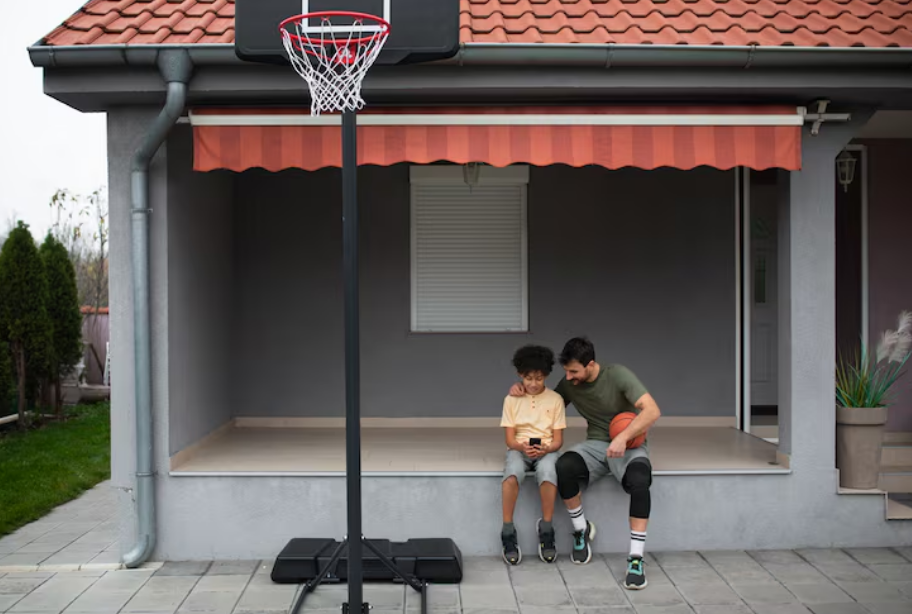
Blocking sun that comes direct during the day’s hottest stretch, this is obviously the main one. Cooler noticeably a room or patio stays this way, without any need for switching air conditioning on. Mattering a lot too is being able for retracting during storm, since fabric that stays exposed under wind and rain constant wears out much faster, meaning pulling it back adds extra years onto how long it lasts. Worth mentioning also is the matter of open space. Free again becomes the whole area underneath, once arms get folded away, nothing overhead, nothing standing in way. And, for whatever it counts, viewed often as genuine improvement to how outdoor usability of a property works is this kind of shading setup, not nothing really if resale ever becomes matter under consideration.
Sizing and Projection
Quite wide is the range when sizes get considered. Reaching out only 2 to 3 meters is what smaller setups might do, whereas past 5 meters is possible for installs much larger, commercial or patio type. Referring simply to distance that fabric and arms travel away from point of mounting, this is what projection means, and matching properly with how deep actual space is happens to be necessary. Sagging in middle of fabric can start happening over time, if width goes too far without arms reinforced enough, something that is worth checking before size gets decided finally.
Materials Typically Involved
Made from aluminum is what frames almost always are, mainly for reason that rust does not affect it with ease, and handling thousands of cycles, opening and closing, without joints weakening is something it manages well. As far as fabric for canopy goes, acrylic or polyester treated is usually what gets used, built in manner that shrugs off temperature swings, damp weather and UV rays, without seams splitting or fading happening too soon.
What Happens in Wind?
Playing their part here is where arms tensioned come in, keeping fabric taut pulled so that in light breeze, flapping does not happen. Still, behaving somewhat like sail is what fabric extended tends toward, once wind starts to pick up, and no secret is made of this by most manufacturers: recommended during gusts strong is retracting the awning, rather than trusting frame for absorbing such strain.
Does Climate Matter?
Almost daily is the use this kind of awning gets, in regions dry and sunny, extended right through heat and folded away only once sun goes down. In places though where snow or rain tends heavy, kept more often retracted is usually how it stays, since real pressure builds over time onto joints and arms, whenever snow load or standing water sits upon fabric left open.
Upkeep Worth Knowing About
Nothing complicated involved here is, just habits few that keep everything running well:
With mild soap and water, wipe fabric down now and then, clearing off mold early stage, grime or pollen
Check occasionally arm joints, confirming movement still feels like smooth
Following instructions from manufacturer, lubricate parts that move
Before spread gets chance by small tears, look over seams for fraying
If unit has them, confirm sensors and motors still responding way they should be
Taken altogether, offering to outdoor space or home a way for managing weather, heat and sun, all without commitment toward something permanent and fixed, this is what retractable arm awning provides. Combined together with whichever method of operation suits space in best way, handing over level of control that structure solid simply cannot match is what design of folding arm does: open it when sun becomes too much, close before weather turns bad, and let fabric last as long as meant it was to.