




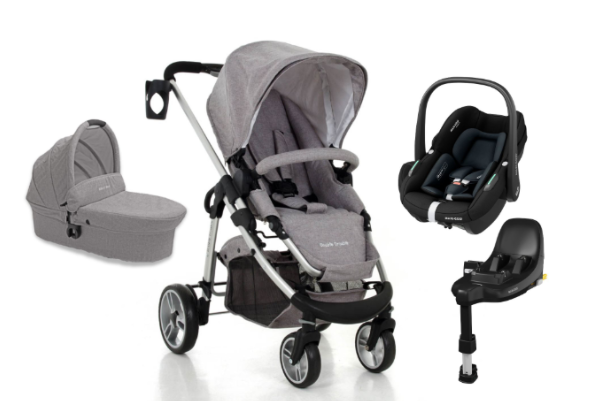
Walking into a baby store feels overwhelming. Sales assistants gesture towards gleaming display models whilst rattling off features you’ve never heard of. Most parents nod along and hope they’re making the right choice. Then you get home and discover that travel systems in South Africa perform very differently in actual daily life compared to a […]
Walking into a baby store feels overwhelming. Sales assistants gesture towards gleaming display models whilst rattling off features you’ve never heard of. Most parents nod along and hope they’re making the right choice. Then you get home and discover that travel systems in South Africa perform very differently in actual daily life compared to a controlled shop environment. The pram that glided smoothly across polished floors suddenly struggles on your driveway. That quick-release mechanism becomes a puzzle when your hands are full and a toddler is melting down.
Morning Chaos
Picture a typical weekday morning in Johannesburg. You’re already running late for crèche drop-off. The baby needs changing again. Your coffee went cold an hour ago. Now you’re standing in the garage trying to figure out why the carrier won’t click into its base properly. You press the button. Nothing happens. You try a different angle. Still nothing. Meanwhile, traffic is building and you can practically hear the minutes ticking away. Some systems just work. Others have a temperament. You won’t know which you’ve bought until you’re living with it daily.
Pavement Gambling
South African suburbs are a mixed bag when it comes to walkability. Your street might have decent paving. Turn the corner and suddenly you’re navigating broken slabs, missing sections, or patches of dirt where pavement should exist. Expensive systems don’t always handle rough terrain better than budget options. What matters is wheel size and suspension quality. Small wheels get stuck in cracks. Rigid frames transmit every bump straight to your baby. You end up choosing routes based on pavement quality rather than distance, which defeats the purpose of going for walks.
Shopping Centre Strategy
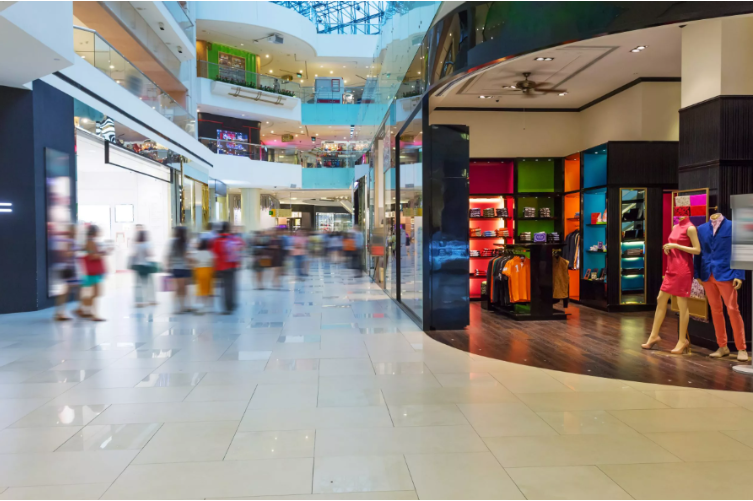
Weekends at Eastgate or Sandton City teach you things about your equipment that shop testing never could. Can you navigate through crowds without constantly apologising? Does the width cause problems at shop entrances? Some parents abandon their systems in the car and carry babies in slings because wrestling the pram through packed stores becomes exhausting. The turning circle matters more than any brochure suggests. Travel systems in South Africa need to handle tight corners, sudden stops, and reversing without making you feel like you’re steering a lorry.
The Fabric Question
Nobody warns you about how differently materials perform until you’ve owned the thing for months. Some fabrics wipe clean with a damp cloth. Others absorb every spill and stain like they’re designed for it. Babies are messy. Sippy cups leak. Snacks get ground into seams. That beautiful light-coloured fabric looks stunning in the shop but becomes a cleaning nightmare. Dark colours hide dirt better but can feel like an oven during Pretoria summers. There’s no perfect answer, just trade-offs you need to understand before buying.
Family Dynamics
Extended family will want to help with your baby. Grandparents offer to take the little one for walks. Friends volunteer to fetch your child from activities. They’ll need to use your travel system. Complicated mechanisms frustrate people who aren’t familiar with them. You end up giving lengthy explanations about which buttons to press and in what order. Or worse, you stop accepting help because teaching someone to use the equipment feels like more effort than doing everything yourself. Intuitive design matters for everyone who’ll touch this thing, not just you.
The Longevity Test
Babies grow faster than seems possible. That tiny newborn becomes a chunky toddler who tests weight limits and patience simultaneously. Some systems adapt gracefully through different stages. Others start showing wear after months of daily use. Stitching comes loose. Plastic clips crack. Wheels develop wobbles. You can’t predict durability from appearance alone. This is where asking other parents about their actual experience becomes valuable. Which brands still work properly after serious use? Which ones end up relegated to the back of the garage?
Parts and Repairs
Something will eventually break or wear out. Maybe a wheel cracks on a pothole. Perhaps the harness buckle stops clicking properly. Now you need replacement parts. Some brands have local suppliers you can phone on a Monday morning. Others require international shipping and weeks of waiting. Your expensive system sits unusable whilst you’re borrowing your sister’s old pram. Before committing to any purchase, research the support network. Does the brand have presence in South Africa? Can you actually get help when things go wrong?
Conclusion
The difference between a good purchase and an expensive mistake often comes down to details nobody discusses in advertising. Travel systems in South Africa need to work in real conditions with real families facing real challenges. Test everything thoroughly before buying. Think about your actual daily routine, not idealised scenarios. Ask parents who’ve used their systems for months about what surprised them. The right choice isn’t about spending more or buying the latest model. It’s about honest matching between what you need and what the equipment actually delivers when the novelty wears off and real life takes over.