




Traditional cutting methods waste a shocking amount of material. Most manufacturers don’t realise how much money slips through the cracks until they examine the numbers properly. The hours spent on rework add up quickly too. A laser cutting service in UK changes the entire approach to production economics, not just how materials get cut. Competitors […]
Traditional cutting methods waste a shocking amount of material. Most manufacturers don’t realise how much money slips through the cracks until they examine the numbers properly. The hours spent on rework add up quickly too. A laser cutting service in UK changes the entire approach to production economics, not just how materials get cut. Competitors are streamlining operations whilst others stick with outdated techniques. The real question becomes whether businesses can afford to keep avoiding this shift.
Versatile Material Options
Material flexibility solves problems that only become obvious when projects change mid-stream. Clients sometimes want titanium instead of steel. Architects might decide acrylic works better than aluminium for certain applications. Conventional methods demand new tooling when this happens. Setup delays stretch timelines. Negotiations start all over again. Laser systems handle material swaps through simple parameter adjustments. Fashion designers exploit this ruthlessly. They cut leather prototypes in the morning and switch to sustainable cork by afternoon. The transition happens seamlessly.
Speed and Efficiency
Setup time kills profitability more than actual cutting speed. Traditional methods require fixture building and tool selection before work begins. Test runs consume valuable hours. The first saleable piece takes ages to produce. Laser cutting service in UK workshops bypass these headaches entirely. Files get uploaded and cutting begins almost immediately. A London signage company now accepts orders late in the afternoon for next-morning delivery. Their old router setup made this turnaround inconceivable. That responsiveness has become their main competitive advantage.
Clean Edges
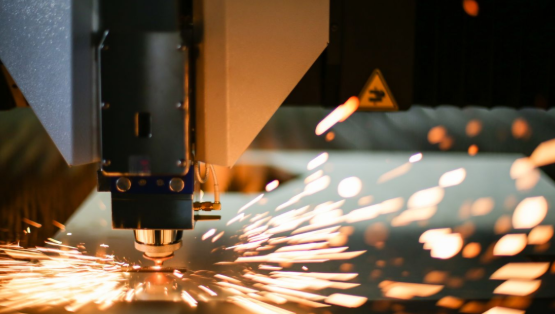
Edge quality goes beyond simple aesthetics. Plasma or water jet cutting on stainless steel creates a commitment to secondary deburring operations. Those extra steps mean additional handling throughout the facility. Medical device manufacturing faces contamination risks from excessive handling. Food processing equipment encounters the same challenges. Laser-cut edges emerge so clean that many aerospace components skip intermediate finishing entirely. They go straight to anodising. This eliminates entire process stages that only add cost without value.
Design Flexibility
Products that couldn’t exist previously are now commonplace. Parametric architecture features those buildings with complex, non-repeating panel patterns. This only became economically feasible once laser cutting could produce thousands of unique pieces affordably. A furniture maker in Manchester offers genuinely bespoke pieces at accessible prices now. Each component differs slightly without disrupting production flow. The technology hasn’t just improved what already existed. It’s created entirely new market segments that designers are eagerly exploring.
Minimal Material Waste
Material waste impacts businesses harder than finance teams typically calculate. Fabrication shops processing sheet metal lose the physical offcuts themselves. Then they pay to transport that excess weight around. Storage costs mount up. Disposal becomes another expense. Workshops using laser cutting service in UK facilities have slashed their skip hire costs whilst increasing output simultaneously. The nesting software works so efficiently that former scrap material now yields additional sellable pieces. One automotive supplier discovered they could fulfil an extra order monthly. The material came from what they’d previously thrown away.
Consistency Across Production
Replacement parts ordered years after initial runs demand perfect consistency. Traditional methods depend heavily on operator skill. That skilled operator might have retired or changed jobs by the time reorders arrive. Laser systems store exact parameters digitally. A part made today matches one produced several years ago precisely. Heritage building restoration depends on this capability completely. Craftspeople need replacement panels that blend invisibly with century-old originals. Only repeatable digital accuracy makes that possible in practice.
Reduced Post-Processing
Post-processing adds more than just time to production schedules. It introduces variables that destroy quality control efforts. Grinding wheels all operate slightly differently from each other. Operators apply varying amounts of pressure naturally. Tolerances get compromised quickly. Medical device manufacturers avoid mechanical finishing wherever they possibly can. Each additional touch increases contamination risk. Dimensional variation creeps in with every handling step. When parts emerge ready for assembly, quality control shifts from correction to verification. That represents a fundamental change in how manufacturing maintains standards.
Conclusion
A laser cutting service in UK means rethinking how manufacturing creates value, not just adopting new equipment. Thriving businesses aren’t simply cutting faster or more precisely than before. They’re accepting orders competitors can’t fulfil. They’re entering markets others can’t access. They’re building reputations on reliability that manual processes cannot consistently deliver. The gap between early adopters and those holding back keeps widening. Good intentions won’t bridge that divide on their own.