




Most people grab whatever scissors are nearby. They don’t think about whether those scissors can actually handle the job. Then halfway through cutting thick fabric or cardboard, the blades start bending. That’s when frustration sets in. Stainless steel heavy duty scissors aren’t just sharper versions of regular scissors. They’re built completely differently, and once you […]
Most people grab whatever scissors are nearby. They don’t think about whether those scissors can actually handle the job. Then halfway through cutting thick fabric or cardboard, the blades start bending. That’s when frustration sets in. Stainless steel heavy duty scissors aren’t just sharper versions of regular scissors. They’re built completely differently, and once you understand why, you’ll never look at cutting tools the same way again.
What “Heavy Duty” Actually Means
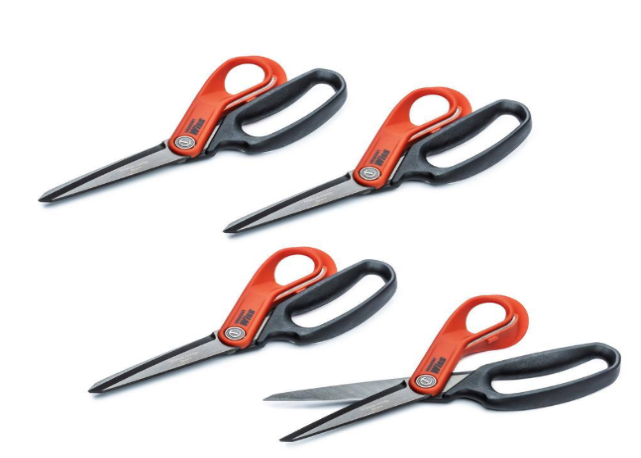
Marketing teams love throwing around impressive terms. But genuine heavy duty scissors have noticeably thicker blades. You can see the difference just by looking at them from the side. This extra thickness stops the blades from twisting when you’re cutting through resistant materials. Canvas workers and upholsterers obsess over this because twisted blades mean ruined cuts. When you’re working with expensive material, there’s no room for wonky lines.
The Kitchen Secret Chefs Guard
Professional kitchens have scissors stationed everywhere. But they’re not using them the way home cooks do. Sure, breaking down poultry is part of it. The real difference shows up in delicate work. Cutting herbs without bruising them takes a blade that doesn’t crush before it cuts. Try portioning squid or trimming silver skin with regular scissors. You’ll end up with ragged edges and wasted product. Stainless steel heavy duty scissors slice clean because the blades stay sharp and don’t flex. Plus they won’t hold onto the smell of onions or fish, which is surprisingly important when you’re switching between tasks.
Why Grip Design Matters More Than You Think
Your hand starts cramping after extended cutting sessions. That’s usually a grip problem, not a strength issue. Cheap scissors force your fingers into awkward positions. Well-designed scissors account for how hands actually move. The handles might look unusually shaped at first glance. But after using them for a while, the design makes complete sense. Some have subtle contours that let you apply force without strangling the grip. It’s the difference between finishing a project comfortably or nursing sore hands afterwards.
Temperature Tolerance Few Consider
Stainless steel handles extremes that destroy other materials. This isn’t something most people think about until it matters. Cutting materials that just came off a heat press or out of cold storage tests your tools. Regular scissors can warp from heat or become brittle in cold conditions. Industrial environments don’t have the luxury of room temperature materials. The scissors either cope with these conditions or they don’t. Quality stainless steel just keeps working regardless of temperature swings.
The Sharpening Reality
Here’s something frustrating about cheap scissors. You can’t actually resharpen them properly. The blade geometry gets wrecked after someone attacks them with a sharpening stone. They might feel sharper temporarily, but they won’t cut right anymore. Professional-grade scissors are designed to be resharpened repeatedly. The blade angles can be restored without destroying the cutting action. Some tradespeople use the same pair for their entire career. They just send them out for professional sharpening when needed.
Maintenance That Actually Works
Scissor care advice tends to be either paranoid or useless. You don’t need special oils or complicated routines. Stainless steel responds well to basic maintenance. Wipe them down after use. Keep them dry. Occasionally check the tension screw at the pivot point. That last bit is crucial but often ignored. Loose scissors tear material instead of cutting it. Overtightened scissors bind and won’t close smoothly. Finding the right tension takes a moment but makes all the difference.
Conclusion
Stainless steel heavy duty scissors eliminate problems before they start. They’re not about showing off expensive tools or following trends. When blades stay aligned under pressure, when handles don’t punish your hands, when materials cut cleanly instead of shredding, the work changes completely. Regular scissors fail at these basic requirements more often than people admit. You only recognise how much time you’ve wasted fighting your tools after you’ve used scissors that actually work properly. The difference isn’t subtle once you’ve experienced it.