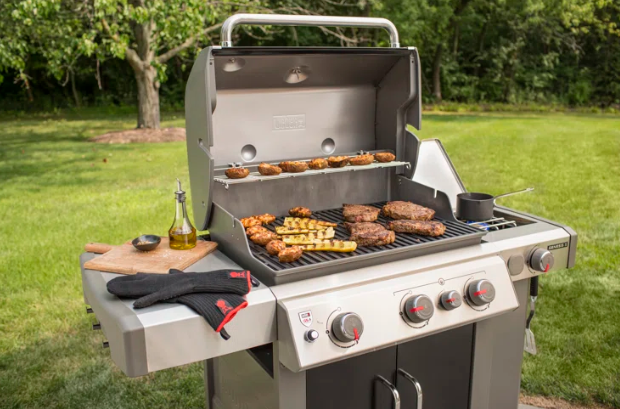
Most people think outdoor cooking is just about throwing meat on heat until it’s done. That’s exactly why so many backyard barbeques end up serving the same predictable meals. A quality gas griller doesn’t just cook food differently. It changes what’s possible in an outdoor kitchen entirely, opening doors to techniques most home cooks haven’t even considered.
Instant Heat Control
Here’s what rarely gets mentioned. The difference between high and medium heat on a gas unit is roughly the same as the difference between searing and steaming. Professional kitchens obsess over this because a few degrees separate caramelisation from charring. Gas burners respond in seconds. You can move a piece of fish from gentle cooking to a quick sear for crispy skin. Try doing that with coals that take ages to cool down. The real advantage isn’t just convenience. It’s having restaurant-level precision without the commercial equipment.
Easy Maintenance
Nobody talks about the hidden time cost of charcoal cleanup. It’s not just about ash. There’s the scraping, the soaking, the waiting for everything to cool completely before you can even start. Gas systems cut this down because food residue is your only enemy. What’s genuinely useful is cleaning whilst the grill is still warm but not hot. The heat loosens everything without requiring harsh scrubbing. Most people clean when it’s completely cold. Then they wonder why it takes forever.
Year-Round Reliability
Winter grilling sounds mad until you realise a gas griller preheats in the cold just as fast as summer. The secret is the enclosed cooking chamber holds heat efficiently, even when it’s windy. This matters more than people think. Slow-roasted lamb shoulder or indirect-cooked pork belly in winter develops flavours you simply can’t achieve in summer. The cold air outside creates a natural temperature difference that makes low-and-slow cooking incredibly stable. Most Australians pack away their grills in autumn and miss this entirely.
Healthier Cooking Method
The fat-dripping aspect is mentioned everywhere. But here’s what isn’t. Gas flames don’t create the same polycyclic aromatic hydrocarbons that charcoal smoke does when fat drips onto coals. It’s the flare-ups that create concerning compounds, not the grilling itself. Gas burners positioned below grates keep flames away from dripping fat. This reduces smoke dramatically. You’re getting cleaner flavour from the food itself rather than smoke masking everything. Vegetables especially benefit. They taste like themselves, just better.
Space Efficiency
The real space issue isn’t the grill’s footprint. It’s the prep area around it. Built-in side tables mean ingredients, plates and tools stay within arm’s reach instead of requiring trips back inside. This seemingly minor detail transforms workflow completely. Professional cooks never work without counter space beside their heat source. Efficiency depends on proximity. Home setups that ignore this end up with cooks running back and forth. That kills the social aspect everyone claims to want from outdoor cooking.
Environmental Considerations
Natural gas produces considerably fewer carbon emissions than charcoal per cooking session. But that’s not the full picture. The real environmental impact comes from charcoal production itself. Trees get converted to fuel through energy-intensive processes. Gas infrastructure already exists in most urban areas, eliminating transportation emissions from bagged charcoal. The neighbourhood smoke reduction is immediate and noticeable. This especially matters during summer when everyone’s windows are open and outdoor time counts most.
Versatile Cooking Options
Most people use their grill exclusively for direct high-heat cooking. That’s using about a fraction of its capability. Indirect cooking with one burner on and food positioned away from the flame creates an outdoor oven. This method handles whole fish, delicate vegetables and even bread perfectly. The multiple burners create different heat zones simultaneously. Something physically impossible with a single charcoal bed. You can char capsicums over high heat whilst gently cooking corn on the cooler side. Everything finishes together instead of in stages.
Social Connection
The often-overlooked truth is that complicated cooking equipment makes hosts anxious rather than relaxed. When temperature control is simple and predictable, the person cooking stops monitoring constantly. They actually join conversations. Gas griller systems remove the performance anxiety that comes with unpredictable charcoal behaviour. Sudden flare-ups or dying coals demand immediate attention. Guests notice when the cook is genuinely relaxed versus pretending to be while secretly stressed about timing.
Conclusion
The difference between adequate outdoor cooking and genuinely excellent results comes down to control and consistency. A gas griller provides both without demanding expertise or constant attention. This reliability turns occasional barbecues into regular occurrences because the barrier to starting is removed entirely. Understanding these less-obvious advantages means using outdoor cooking equipment to its full potential rather than just replicating what charcoal does with slightly more convenience.