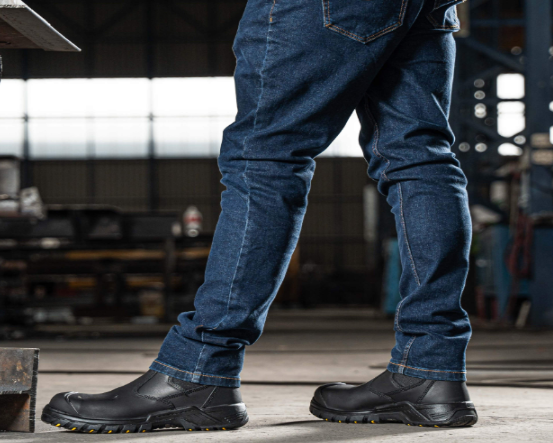
Most blokes learn about work jeans the hard way. Their regular Levis split right down the backside whilst crouching under a sink or climbing scaffolding. That embarrassing moment usually marks the turning point. Proper work denim isn’t just thicker fabric with extra pockets. There’s actual engineering behind what separates a pair that’ll last months from one that’ll survive years of abuse. Let’s dig into what really matters when your livelihood depends on what you’re wearing.
Superior Durability
Here’s something most people miss. The denier rating of denim matters more than weight alone. A tight weave will outlast a loose fabric every time. The real game-changer is triple-needle stitching at stress points. Particularly the crotch seam and back pockets. Cheap alternatives use chain stitching that unravels the moment one thread breaks. Quality work denim uses lock stitching. It holds even when damaged.
Bartack reinforcements at pocket corners prevent the dreaded tear. This happens when you’ve got a spanner weighing down one side. The difference becomes obvious after the first month of hard yakka. Your knees will thank you. So will your wallet.
Enhanced Safety Features
The safety angle goes deeper than most realise. Certain work environments in Australia require standards compliance. Particularly around arc flash protection. Regular denim can actually melt onto skin during electrical incidents. Treated work denim is designed to char and pull away instead. For welders, this difference could mean avoiding serious hospital visits.
Then there’s abrasion resistance. It’s particularly relevant for workers doing concrete finishing or road work. Friction injuries are common in these fields. These aren’t marketing gimmicks. They’re measurable safety specifications that matter when things go wrong. You don’t think about it until you need it.
Comfort During Movement
Flexibility in work jeans comes from understanding biomechanics. Not just adding elastane. The placement of stretch panels matters enormously. Stretch fabric in the waistband does nothing for someone spending hours kneeling. Gusseted crotches with diamond-shaped inserts actually provide the range of motion needed for climbing ladders. Or squatting repeatedly.
Articulated knees make a difference too. The seam is positioned to match natural leg bend. This prevents fabric bunching behind the knee that causes discomfort during extended kneeling. Some advanced designs include stretch panels only along the back of the thigh and behind the knee. They maintain durability in high-wear areas whilst providing movement where it counts. The difference becomes apparent when you’re not constantly adjusting fabric throughout the day.
Professional Appearance
The aesthetics of work jeans have evolved beyond the traditional blue denim stereotype. Darker washes now dominate because they hide stains better. They maintain a cleaner appearance longer between washes. The cut matters too. Not for fashion, but function.
A slightly tapered leg prevents fabric from catching on equipment. Or dragging through mud. Whilst still providing room for steel-capped boots. Some contractors have discovered something interesting. Wearing consistent, quality work denim actually impacts client perception. It can influence quote acceptance rates. Looking professional whilst remaining practical isn’t about vanity. It’s about business.
Long-Term Value
The economics of work denim aren’t straightforward. A pair lasting years of daily wear works out cheaper per day than budget options replaced constantly. However, the hidden cost involves washing and maintenance. Quality denim requires less frequent washing due to better stain resistance. And odour control. Which saves water, detergent, and time.
The fabric also retains its shape better. They don’t develop saggy knees or stretched waistbands that make you look sloppy. Factor in that premium options often include free repairs or replacement guarantees. The value proposition shifts considerably. You’re not just buying trousers. You’re investing in gear that works as hard as you do.
Conclusion
Choosing work jeans goes beyond grabbing whatever’s on the rack at the workwear shop. Understanding denier ratings, stitch construction, and appropriate safety certifications for your specific trade makes the difference. The right pair supports your body through long shifts. Protects against workplace hazards. And keeps you looking professional enough for client meetings. When your trousers are genuinely built for the work you do, you’ll notice the difference in comfort and safety. That’s not marketing talk. It’s the reality for anyone who depends on their gear to get through demanding days.