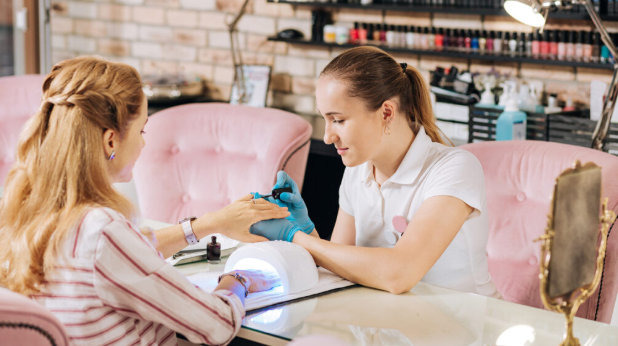
Your nail technician’s hands shake slightly during your appointment, but not from nerves. She’s been inhaling methyl methacrylate fumes for six hours straight in a poorly ventilated room. Meanwhile, the woman next to you winces as her cuticles get hacked away with what looks like gardening shears. This isn’t a dramatic exaggeration. It’s Tuesday afternoon at countless budget nail bars across Australia. Finding a best nail salon means understanding what’s actually happening to your nails beneath all that pretty polish, and why some places charge what they do whilst others race to the bottom.
The Autoclave Question Nobody Asks
Here’s something most clients never consider. Ask your salon how often they run their autoclave cycle, and watch the response carefully. A genuine answer involves specific timeframes and a maintenance log they can actually show you. Vague mumbling about “regular cleaning” means those tools haven’t seen proper sterilisation in weeks, possibly months. Autoclaves require distilled water, specific temperature and pressure settings, and verification through spore testing. That’s why cheaper establishments skip this step entirely. They’ll soak metal tools in hospital-grade disinfectant and call it sterile, which is like calling a rinse under the tap the same as doing your dishes properly. The difference becomes apparent when you develop a stubborn fungal infection that takes months to clear.
Why Your Nails Peel After Removal
Gel and acrylic removal shouldn’t leave your nails feeling like tissue paper, yet it happens constantly. The culprit isn’t the product itself but rather impatient removal techniques. Proper gel removal involves soaking wrapped nails for an extended period, then gently nudging off softened product. What actually happens at dodgy salons? Someone pries off gel with a metal tool like they’re scraping old paint off a fence. Each aggressive scrape tears away layers of your actual nail plate along with the gel. Your nails aren’t naturally thin and damaged. They’ve been physically stripped down through repeated trauma disguised as normal service. Quality establishments refuse to rush removal, even when you’re running late for your next appointment. They know the damage compounds over time and eventually you’ll stop getting enhancements altogether because your natural nails can’t handle it anymore.
The Drill Bit Temperature Test
Experienced technicians keep their e-file moving constantly during acrylic work. Staying in one spot generates friction heat that can actually burn the nail bed underneath. You shouldn’t feel warmth during filing, let alone pain. If you do, your technician either lacks proper training or doesn’t care about the consequences. Here’s the test quality salons use during training. Hold the spinning drill bit against your palm briefly. If it feels uncomfortably hot on your thick palm skin, imagine what it’s doing to the thin tissue of your nail bed. Burnt nail beds develop permanent ridges and irregular growth patterns. Some clients assume their nails are just naturally lumpy and weird. Actually, they’re carrying the evidence of repeated thermal damage from careless filing techniques.
Why They Push Shellac Constantly
Technicians at certain chains receive bonuses based on gel polish sales. Regular polish takes the same skill and time to apply but brings in less revenue per appointment. This creates pressure to upsell every single client into gel services, regardless of whether it suits their lifestyle or nail condition. What they won’t mention is that some people’s nails genuinely can’t tolerate continuous gel wear. The seal prevents moisture exchange, and certain nail types need breathing room between applications. A best nail salon recommends services based on your actual nail health rather than their commission structure. They’ll suggest regular polish for weakened nails and won’t act offended when you decline their premium options.
The Licence Frame Check
That framed certificate on the wall deserves closer inspection. Is it a legitimate qualification from a registered training organisation, or a weekend course completion certificate printed on fancy paper? Australia has specific requirements for nail technician qualifications, but enforcement varies wildly between states and councils. Some practitioners working in salons have done a proper apprenticeship involving anatomy, hygiene protocols, and supervised practice. Others watched YouTube tutorials and bought a kit online. You can’t always tell the difference by looking at their work initially, but you’ll definitely notice over time as your natural nails deteriorate or thrive based on whose hands they’re in.
Conclusion
The gap between adequate and excellent nail care isn’t visible in Instagram photos. It shows up in how your natural nails look six months down the track, whether you develop chronic infections, and if you’re unknowingly breathing fumes that cause headaches you’ve started accepting as normal. Exceptional salons invest in proper equipment, ongoing education, and protocols that protect long-term nail health over short-term aesthetics. They charge accordingly because quality costs money in ways that aren’t always obvious. When you find a best nail salon that prioritises your wellbeing, your nails will actually improve with regular appointments rather than deteriorating. That’s the difference between maintenance and damage control, and your body knows which one it’s experiencing even if your eyes can’t tell yet.